
Airport Paving in Little Rock, AR
Airport paving services encompass the installation, repair, and maintenance of paved surfaces used for airport runways, taxiways, and aprons. These projects typically involve preparing the ground, laying durable asphalt or concrete, and ensuring proper drainage and surface smoothness. Homeowners and property owners requesting airport paving services often seek reliable, long-lasting surfaces for private airstrips or large-scale parking areas, requiring detailed planning to meet safety and operational standards.
Before requesting airport paving, property owners usually want to understand the scope of the project, including surface material options, the extent of ground preparation needed, and any potential disruptions during construction. Clarifying the specific requirements for load-bearing capacity, surface durability, and local regulations can help ensure the paving meets the intended use and safety standards. Proper planning and communication can facilitate a smooth process from initial consultation to completed installation.
Many property owners in Little Rock, AR look into Airport Paving for repairs, replacements, upgrades, and appearance-related improvements.
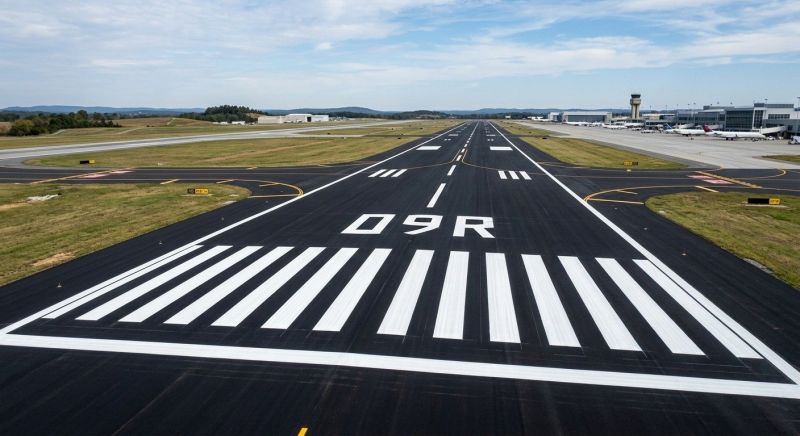
Commercial Airport Pavement
Ensuring durable and smooth surfaces for airport runways and taxiways in little rock, ar.
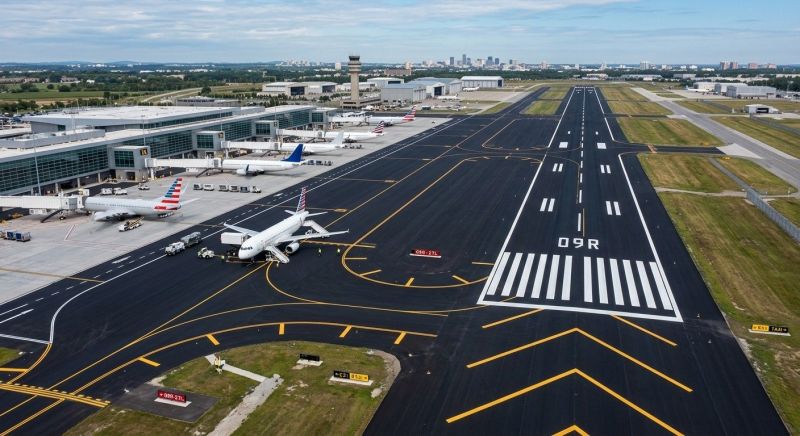
Private Airport Runways
Expert paving solutions for private airstrips and hangar access roads in the area.
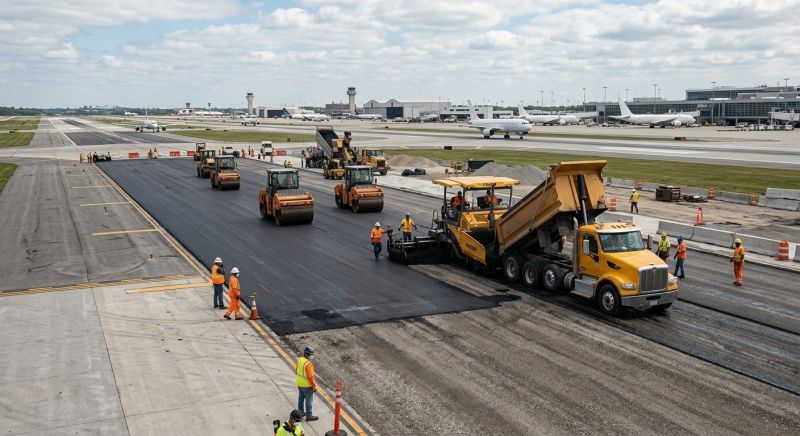
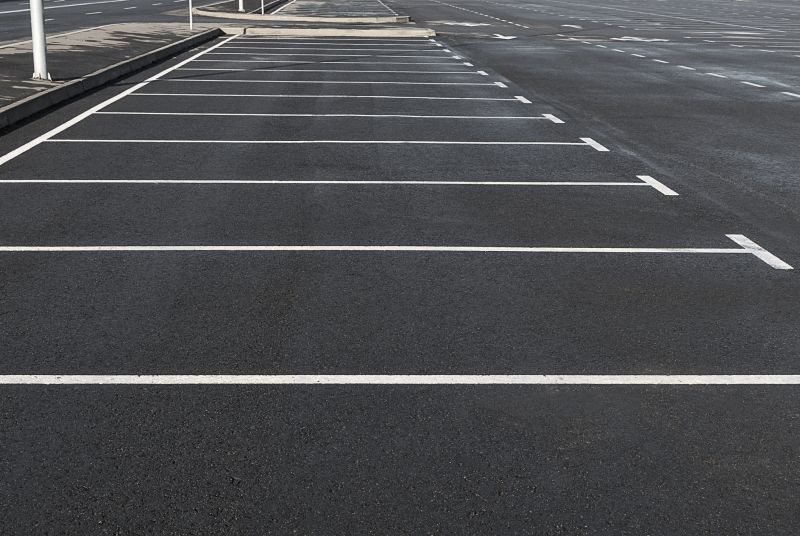
Airport Parking Lots
Creating safe and well-marked parking areas for travelers and staff at local airports.
Airport Paving in Little Rock, AR

Airport paving services encompass the installation, repair, and maintenance of paved surfaces used for airport runways, taxiways, and aprons. These projects typically involve preparing the ground, laying durable asphalt or concrete, and ensuring proper drainage and surface smoothness. Homeowners and property owners requesting airport paving services often seek reliable, long-lasting surfaces for private airstrips or large-scale parking areas, requiring detailed planning to meet safety and operational standards.
Before requesting airport paving, property owners usually want to understand the scope of the project, including surface material options, the extent of ground preparation needed, and any potential disruptions during construction. Clarifying the specific requirements for load-bearing capacity, surface durability, and local regulations can help ensure the paving meets the intended use and safety standards. Proper planning and communication can facilitate a smooth process from initial consultation to completed installation.
Many property owners in Little Rock, AR look into Airport Paving for repairs, replacements, upgrades, and appearance-related improvements.
Common Airport Paving Jobs
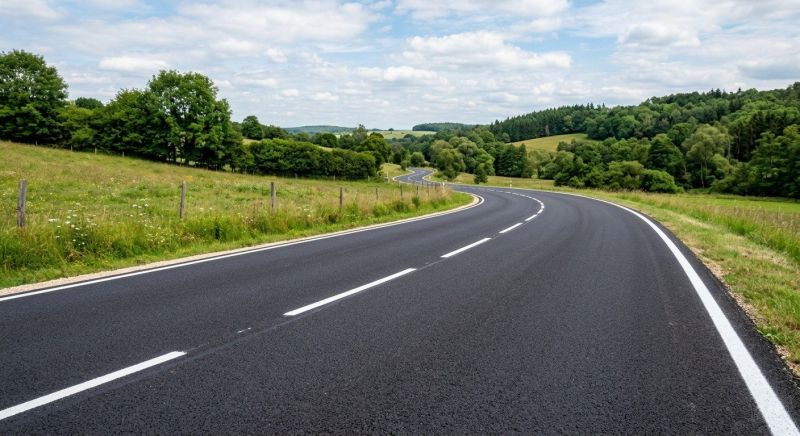
Airport paving involves installing durable runways and taxiways for safe aircraft movement.
Runway resurfacing restores worn surfaces to meet safety and operational standards.
Taxiway construction creates efficient pathways for aircraft to move between runways and terminals.
Airport apron paving provides a stable, level area for aircraft parking and loading.
Pavement maintenance extends the lifespan of airport surfaces and reduces repair costs.
Airport striping enhances visibility and safety with clear marking of runways and taxi lanes.
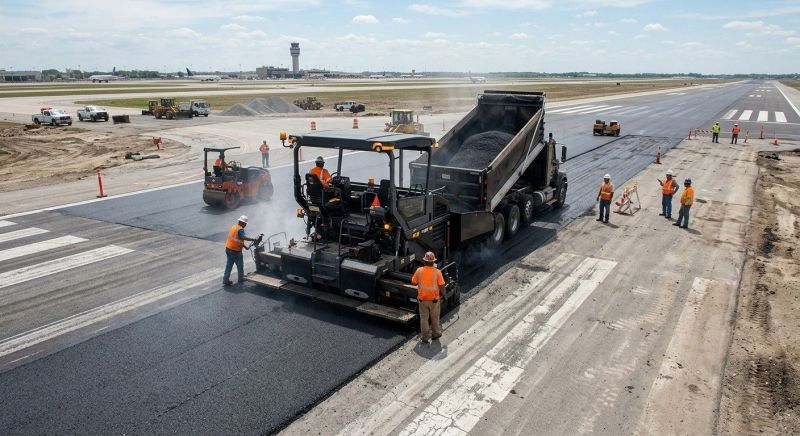
Airport Paving Questions
What types of paving projects are common for airports? Airport paving typically includes runways, taxiways, and apron areas to ensure smooth and durable surfaces for aircraft movement.
How long does airport paving usually last? Properly installed airport pavements can provide reliable service for many years with minimal maintenance.
What materials are used for airport paving? Asphalt and concrete are the most common materials used for airport surfaces due to their durability and strength.
Why is proper drainage important in airport paving? Effective drainage prevents water accumulation, reducing the risk of damage and maintaining surface safety.
Request Airport Paving in Little Rock, AR
Use the quote form on this page to share the basics of your project and request more information for the type of work you need.